


Stakeholders seek comprehensive security strategy on Eastern Ports
Maritime stakeholders operating at Nigeria’s Eastern Ports corridor comprising Calabar, Onne, Warri, Delta and Port Harcourt Ports have made a strong case for the formulation of a comprehensive security strategy to enhance the safety and security of lives, vessels, cargoes, and protection of the environment within the ports’ channels. This is with a view to stimulating activities and encouraging more patronage for the ports, which are currently operating below installed capacity due to low patronage.
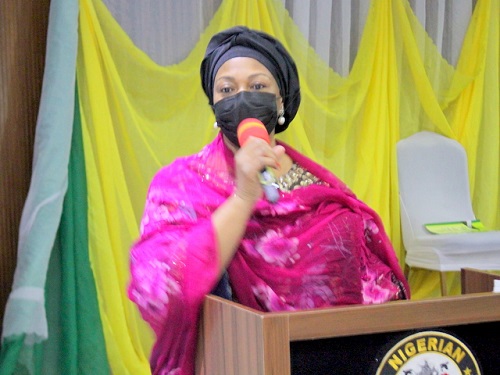
This is part of the resolutions reached at a one-day stakeholders’ workshop organised by the Federal Ministry of Transport in conjunction with agencies under its supervision comprising the Nigerian Ports Authority NPA and the Nigerian Maritime Administration and Safety Agency NIMASA, among others held in Port Harcourt, the River State capital at the weekend.
The aim of the workshop was to create the needed awareness and reassure critical stakeholders and investors on steps taken and plans by the Federal Government through its MDAs to encourage patronage of the Eastern Ports
It was also designed to enable the ministry and its agencies interact with stakeholders to further identify and strategise to address gaps in current policies and programmes impeding patronage of the Eastern Ports.
The forum was in furtherance to the commitment of the ministry to implement recommendations and strategies identified by a Ministerial Committee constituted in 2014 intended to encourage patronage of the Eastern Ports, boost shipping activities at the Port and by so doing boost revenue generation from the Eastern Ports.
In a 19-point communique issued at the end of the event, the stakeholders called for effective collaborations by all maritime security agencies including the Nigerian Navy, NIMASA, Eastern Ports Police Commands, Port Security Unit, Department of State Service and Nigeria Customs Service, among others to come up with a comprehensive security strategy that will ensure safety of lives, vessels, cargoes, and protection of the environment within the Eastern Port channels.
The stakeholders also charged the NPA to fast-track the procurement of a vessel traffic service a engage a consultant to ensure effective monitoring of the Eastern Port channels. It should also expedite action on the procurement of more buoys for channel markings at Delta Port, and to provide well positioned and lighted buoys in the Eastern Port for easy movement of vessels.
The communique reads in part: “The NPA should hasten the utilisation of lay-by anchorages identified in the Eastern area for detained/arrested vessels in order not to impede on berth space for commercial vessels and also revisit the 10per cent discount on harbour dues, which is only beneficial to shipping companies and come up with a strategy that will enable cargo owners or shippers to benefit from the incentive.
“The Ministry of Power should expedite action on its planned intervention on power issues at the Eastern ports by the construction of new substations in line with the International Maritime Organisation IMO’s Green Policy Guideline on climate change.
“All the agencies at the ports should clearly identify their areas of interventions for the enhancement operations at the Eastern Ports and make adequate budgetary provisions. The government, it’s agencies and private investors should work towards the development of intermodal transport system to prevent over-stretching of road transport infrastructure
“The current restriction policy on late sailing should be reversed to enable vessels sail or berth at night hours (24/7) in all the Eastern Ports while the high tariff charged by third-party tug operators and the compulsory USD $8,000 charged for towage in port users bills are exorbitant and should be reviewed downward.
“The 10per cent rebate incentive by NPA should be increased to 30per cent and be applicable to other agencies/shippers operating in the Eastern Ports, terminal operators should ensure efficiency in their operations to avoid transferring costs of such inefficiencies to shippers and by extension to the end users.
“That NIMASA should closely supervise the dockworkers’ union regularly to ensure adherence to minimum acceptable standards and provide a well documented code of conduct for these workers while Eastern ports should explore the strategy of port specialization to boost synergy in the overall port system.
“That the Federal Government should look into developing a more robust port infrastructure to cope with the ever dynamic environment of global maritime trade and that all maritime agencies should explore avenues of closer collaborations to facilitate synergy and seamless flow of cargo operations and movement in the Eastern Ports area
“That this stakeholders’ forum should be held annually to ensure that all agencies are held accountable to their commitment and update relevant stakeholders on emerging challenges and that the all Customs agents/shippers should ensure honest declaration of cargo and follow due processes in the clearance of their cargo.
“That all access roads to the Port should be adequately rehabilitated to ease the flow of cargo in and out of the Port and the hinterlands.”
The stakeholders had identified the challenges limiting the patronage of Eastern Ports are broadly traceable to the lack of safety and security, infrastructural deficit, the misconception that government policies are against the Eastern Ports, hallow channels and the lack of sufficient aids to navigation along the port channels
Others include high cost of conservancy, poor state of access roads to the port unwillingness of government and private sector to invest in port infrastructure, lack of political will by the government to invest on infrastructure that are contiguous to the port sector and that the NPA’s discount incentive on Habour dues is only beneficial to shipping operators and there is no evidence to show that it trickles down to the shippers, who are the primary targets of the incentives.
Also listed were the lack of true and proper declaration of cargo on customs platform is one of the major causes of delays on cargo clearance at the port, Ignorance of proper Customs procedures and processes by most Eastern shippers and agents.
The stakeholders equally identified the lack of efficient Intermodal transport system across the Eastern Ports area, absence of night berthing and sailing in the Eastern Ports leading to longer waiting time of vessels and high cost of port services in the Eastern Ports, among others.
In attendance at the workshop was Minister of State for Transport, Senator Gbemi Saraki, Managing Director NPA, Mohammed Bello-Koko, Executive Director of the authority, Marine and Operations, Hon. Onari Brown, foremost Master Marina and former Minister of Interior, Captain Emmanuel Ihenacho, former General Manager, Marine and Operations of NPA, Captain Ebubeogu Ihenacho and former Director, Commercial Shipping unit of the Nigerian Shippers Council, Mrs Dabney Shall-Holma, among several others.


Leave a Reply