


Grimaldi faults reports on sale of empty containers, customs duty responsibility
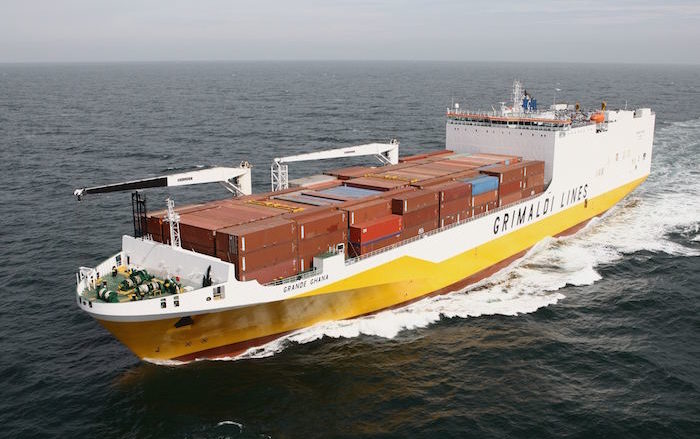
Grimaldi Agency Nigeria has faulted recent reports regarding the sale of empty shipping containers by Grimaldi Deep Sea S.p.A, insisting that the reports are not entirely true.
According to a statement issued on Wednesday, June 3, 2026, the company said reports suggesting that the seller of the empty shipping containers was liable for customs duties following the sale of a few empty containers are inaccurate and inconsistent with the terms of sales.
It also denied claims that it sold 2,500 empty containers, describing such claims as false and unsupported by facts.
The statement reads in part: “The empty shipping containers were sold strictly in their international customs status, commonly referred to as a ‘foreign customs position’, and were not transferred as domesticated equipment intended for local use within Nigeria.
“The terms of the sale were clearly outlined in the documentation provided to the purchaser. The invoice expressly stated that the containers were being transferred in foreign customs position and that the buyer was meant to use the equipment solely for international carriage of goods without altering their original customs status.
“The sales agreement specifically provided that if any local customs regulations required the containers to be regularised or domesticated for local use, such procedures would be carried out entirely at the buyer’s responsibility and expense.
This arrangement reflects established international shipping practice, under which containers sold in foreign customs status are routinely purchased by traders, exporters and logistics operators for use as Shipper Owned Containers SOC, in international trade.
“Under this model, containers may continue to operate in international commerce without any change to their customs classification or status. The company stressed that customs obligations generally arise only when a purchaser elects to convert the equipment for domestic purposes, including storage, construction projects or other local applications that require domestication under applicable customs regulations.
“In such circumstances, responsibility rests with the party changing the status and use of the equipment, namely the purchaser.”
The company further insists that any customs duties, taxes, levies or related charges that may become payable as a result of a buyer’s decision to domesticate the containers cannot be attributed to the seller, as such obligations arise from actions taken after the completion of the sale.
“Grimaldi Deep Sea S.p.A. has consistently conducted its operations in accordance with applicable international shipping standards, industry practices and the contractual terms agreed with its customers.
“Contractual obligations and responsibilities associated with the transaction were clearly defined from the outset and remain consistent with established principles governing international container trade”, the company said emphatically.


Leave a Reply