


Nigeria’s proposed 90,000km fibre expansion aims to strengthen digital infrastructure-NCC
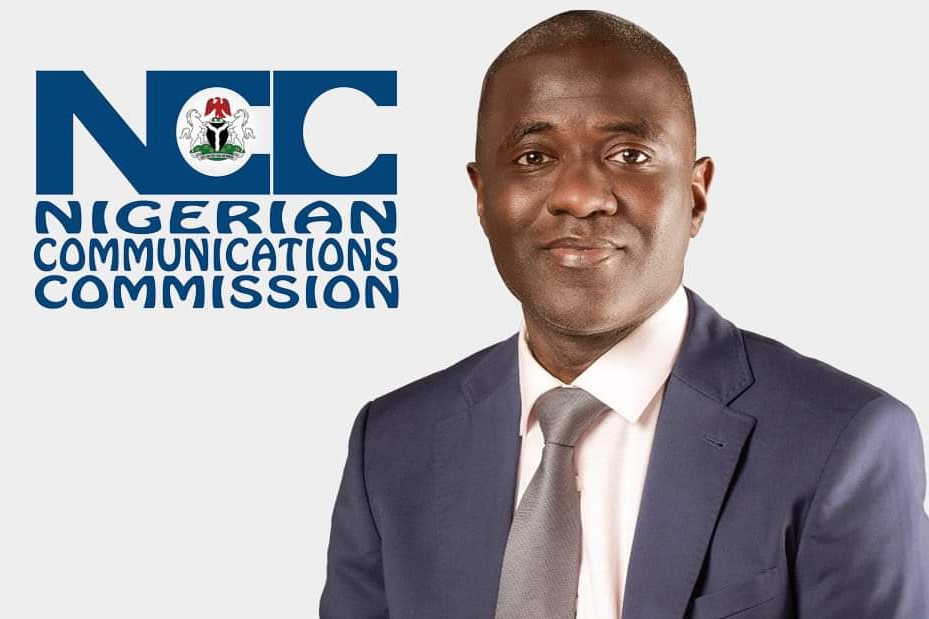
Executive Vice Chairman, NCC, Dr. Aminu Maida.
The Nigerian Communications Commission NCC, has that the country’s proposed 90,000 kilometres fibre expansion project signposts Federal Government’s commitment to strengthening digital infrastructure across the length and breadth of the country with a view to boosting service delivery.
The Commission further said that government’s plans to deploy additional 90,000 kilometre-fibre optic cable across the country under its flagship BRIDGE initiative, would in no small measure boost Nigeria’s drive toward a fully digitised economy.
The project, known as Building Resilient Digital Infrastructure for Growth BRIDGE, is being implemented by the Federal Ministry of Communications, Innovation and Digital Economy. It is aimed at significantly expanding broadband access and strengthen connectivity across all 774 local government areas.
Speaking at a recent strategic fibre optics training workshop in Abuja, Executive Vice Chairman/CEO of the Commission, Dr. Aminu Maida, described the initiative as critical to accelerating Nigeria’s digital transformation and unlocking new economic opportunities.
Dr. Maida, who was represented by the Executive Commissioner for Technical Services, Abraham Oshadami, said the expansion underscores the Federal Government’s commitment to strengthening digital infrastructure nationwide, adding that fibre networks remain the backbone of modern economies.
“The rollout of the additional 90,000km fibre optic is aimed not only at improving internet access but also at driving growth in key sectors such as education, healthcare, agriculture and governance, while enhancing financial inclusion across urban and rural communities.
“However, we have identified several challenges hindering broadband penetration, including high Right of Way RoW, charges, regulatory bottlenecks at state levels, and persistent cases of telecom infrastructure vandalism.
“To address these issues, we have strengthened collaboration with state governments, security agencies and other stakeholders. At least 13 states have already waived RoW charges, a development expected to attract further investment from telecom operators.
“Efforts to safeguard telecom assets have also been reinforced following a 2024 presidential directive designating such infrastructure as Critical National Information Infrastructure (CNII), providing stronger legal protection against vandalism and theft”, the NCC-boss said.
He further stressed the need for capacity building, noting that a skilled workforce is essential for sustaining the country’s digital ambitions.
The Abuja workshop, organised by the International Telecommunication Union in partnership with the Digital Bridge Institute and supported by the European Union, is part of ongoing efforts to enhance technical and regulatory expertise within the sector.
Also speaking at the event, representative of the EU, Inga Stefanowicz, disclosed that the bloc’s €820 million digital economy package, launched in 2022, is targeted at boosting infrastructure development, innovation and digital skills across Africa.
She emphasised that bridging Africa’s infrastructure gap would require stronger collaboration between governments and private sector players, as public funding alone remains insufficient.
Industry stakeholders believe that with the momentum gathered by the BRIDGE project, the country may be on the verge of one of its most extensive broadband expansions, which could also redefine connectivity and position the country and make her more competitive in the global digital economy arena.


Leave a Reply